
myths
and facts
Common myths and facts about lab-grown diamonds
Uncovering the Myths and the Real Truth Behind Lab-Grown Brilliance.
Lab-grown diamonds open the door to luxury for everyone. They offer the same sparkle and durability as natural diamonds but at a fraction of the price, making fine jewelry accessible to younger generations and first-time buyers. For jewelers, they mean bigger margins, faster sales, and a growing customer base that values sustainability, affordability, and modern choices.
MYTHS
FACTS
Lab-grown diamonds
are not real diamond
Lab-grown diamonds have the same chemical composition, crystal structure, and physical properties as natural diamonds. They are real diamonds, but they are created in a controlled laboratory environment rather than being mined from the earth.
Lab-grown diamonds don't have the same brilliance as natural diamonds
Lab-grown diamonds can have equal or even superior brilliance compared to natural diamonds. The quality of the cut and craftsmanship plays a significant role in a diamond's sparkle, and lab-grown diamonds can be cut to the same high standards as natural diamonds.
Lab-grown diamonds are less durable
Lab-grown diamonds have the same level of hardness and durability as natural diamonds. They are both rated 10 on the Mohs scale of hardness, making them suitable for everyday wear in jewelry.
Lab-grown diamonds are less valuable
While lab-grown diamonds are generally more affordable than natural diamonds, they can still be valuable. Factors like size, quality, and market demand influence the value of any diamond, whether it's natural or lab-grown.
Lab-grown diamonds are not sustainable
Lab-grown diamonds are a more sustainable option compared to natural diamonds. They require fewer natural resources and have a significantly lower environmental impact, making them a more eco-friendly choice.
Lab-grown diamonds are always awless
Lab-grown diamonds can have varying levels of clarity, just like natural diamonds. They can be found in a range of qualities, from flawless to included, depending on the production process and quality standards.
Lab-grown diamonds are not as rare as natural diamonds
Lab-grown diamonds are not as abundant as some may think. While production has increased in recent years, they are still far less common than natural diamonds, especially those of high quality.
Lab-grown diamonds are of lower quality
Lab-grown diamonds are not as abundant as some may think. While production has increased in recent years, they are still far less common than natural diamonds, especially those of high quality.
What about! Carat, Cut, Color, Clarity
Lab-grown diamonds are typically graded using the same Four Cs (Carat, Cut, Color, Clarity) system as natural diamonds.
Lab-grown diamonds are expensive
Lab-grown diamonds give you more sparkle for less. They’re more affordable than natural diamonds of the same quality, letting you save or invest your money elsewhere — a smart, modern, and financially responsible choice.
Why Chose Lab Grown?
Unlike traditional diamond mining, our operations are free from the stain of child labor. You can wear our diamonds with the assurance that they are ethically sourced and crafted.
No Child Labor
Eco-Friendly
Conflict-Free
Affordability
Breaking Monopolies
Environmental Stewardship
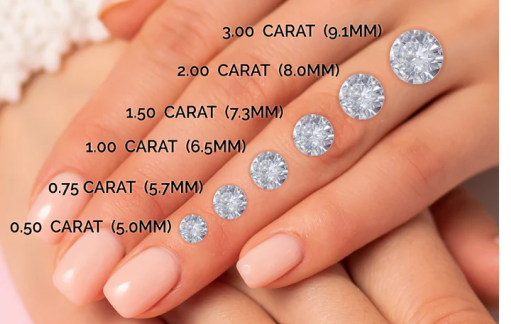
Carat Weight
The carat weight of a lab-grown diamond is measured in the same way as natural diamonds. One carat is equivalent to 200 milligrams. Lab-grown diamonds can be found in various carat sizes, just like natural diamonds.
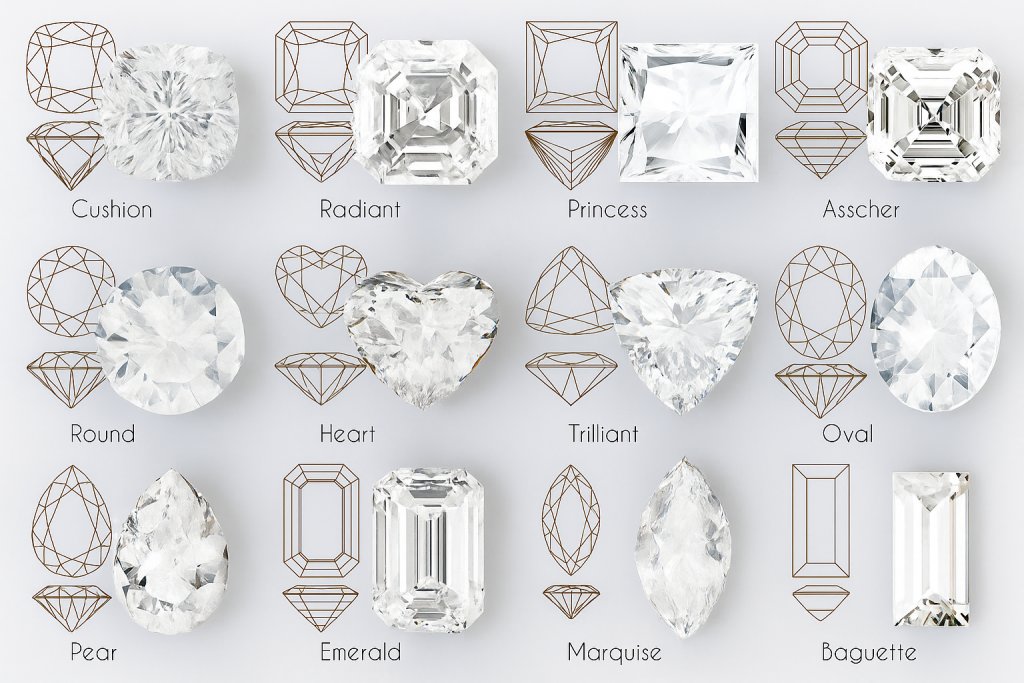
Cut
The cut grade of a lab-grown diamond assesses its proportions, symmetry, and polish, similar to natural diamonds. A well-cut lab-grown diamond will exhibit optimal brilliance and sparkle.
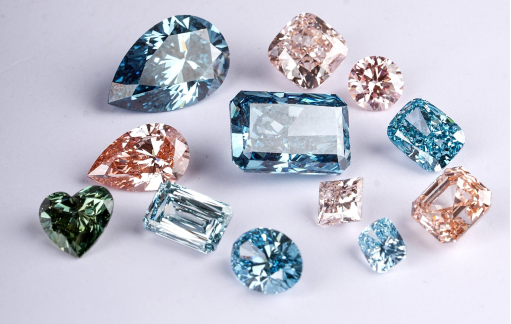
Color
Lab-grown diamonds are graded on the same color scale as natural diamonds, ranging from D (colorless) to Z (light yellow or brown). Some labs use specific terminology to distinguish lab-grown diamonds, such as “near-colorless” or “faint color,” but the grading process remains fundamentally the same. Majority of white Lab grown diamonds are between DEFG colors.
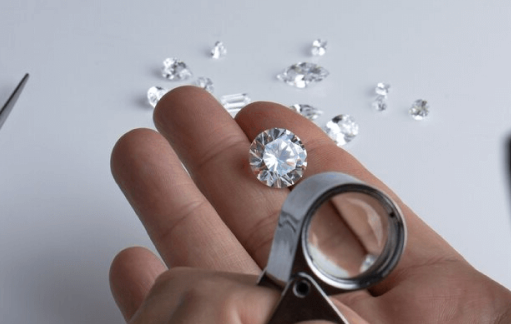
Clarity
Lab-grown diamonds are also graded for clarity, evaluating the presence of internal or external flaws (inclusions and blemishes). The clarity grades follow the same terminology as natural diamonds, ranging from Flawless (no inclusions or blemishes visible under 10x magnification) to Included (inclusions and/or blemishes visible to the naked eye).
Fluorescence is a phenomenon in which some diamonds emit a soft, colored glow when exposed to ultraviolet (UV) light. This fluorescence can appear in various colors, with blue being the most common. In natural diamonds, fluorescence can affect their appearance under certain lighting conditions.
In the case of lab-grown diamonds, the absence of fluorescence is a common characteristic. This can be advantageous for those who prefer a diamond that does not exhibit this property, as it ensures consistent appearance in various lighting environments.
Many reputable gemological laboratories that grade diamonds, such as the Gemological Institute of America (GIA), and International Gemological Institute (IGI) provide certifications for both lab-grown and earth-mined diamonds. These certifications are typically based on the same grading criteria, ensuring consistency and transparency for consumers.
Gemological laboratories use the same Four Cs (Carat, Cut, Color, Clarity) grading system for both types of diamonds, allowing consumers to make informed choices based on the diamond’s characteristics. These grading reports provide detailed information about the diamond’s quality, which is valuable for assessing its value and suitability for various purposes, such as jewelry.
Having reputable grading organizations evaluate both lab-grown and earth-mined diamonds help establish trust and clarity in the diamond market, allowing consumers to make educated decisions when purchasing diamonds, regardless of their origin.
FACTS
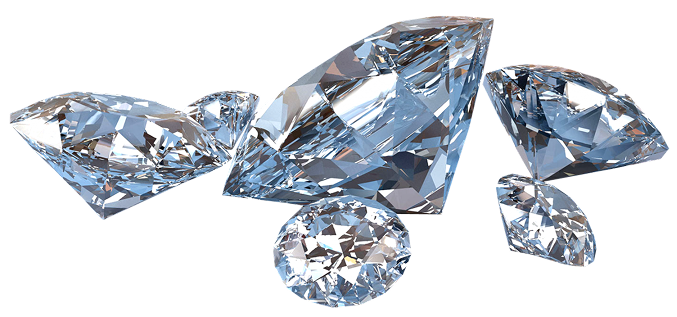
MAJOR FACT
Lab-grown diamonds often have better cuts because they can be precisely cut to maximize their optical performance without the need to preserve rough diamond size or weight, which is a factor in the cutting of natural diamonds.
In the case of natural diamonds, cutters often have to make decisions about how to cut a rough diamond to maximize its carat weight, which can sometimes result in suboptimal cut quality to preserve as much of the rough as possible. This can lead to variations in cut quality among natural diamonds.
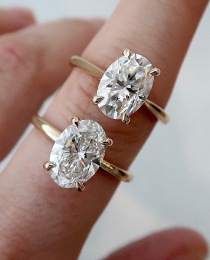
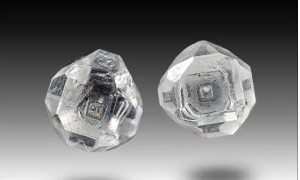
In contrast, lab-grown diamonds are created from specific rough materials that don’t have the same weight or size constraints as natural diamonds. This allows diamond cutters to focus on achieving the best possible cut, symmetry, and proportions to enhance the diamond’s brilliance and sparkle.
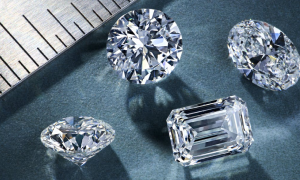
As a result, Lab Diamond Hub is known for the precise and excellent cuts, which contribute to our exceptional fire and brilliance. This can make lab-grown diamonds an attractive choice for those who prioritize cut quality and overall visual appeal in their diamond selection.
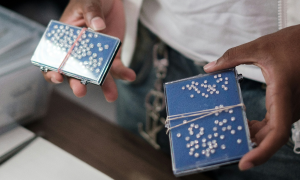
As technology advances and consumer demand for lab-grown diamonds continues to grow, major corporations and jewelry brands are increasingly investing in the development and marketing of lab-grown diamonds as a distinct category. This includes creating unique designs, branding, and messaging to differentiate lab-grown diamonds from natural ones.
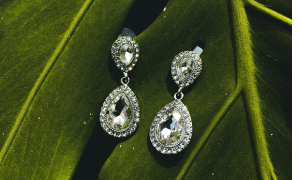
The rise of lab-grown diamonds is indicative of a significant shift in the jewelry industry, reflecting the desire for more ethical, sustainable, and customizable options. While natural diamonds will always hold a special place in the arket, lab-grown diamonds are here to stay and are becoming an integral part of the diamond industry. They offer consumers an alternative that aligns with their values and preferences.
Contact Us
Our team is here to help with any questions about our lab-grown diamonds, custom jewelry, or your order. Simply fill out the form below and we’ll get back to you ASAP.